
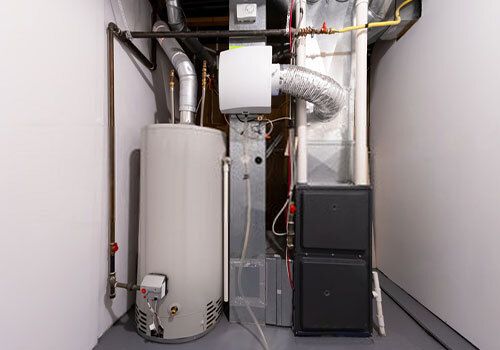
Water heater maintenance comes down to a few simple tasks: flush the tank about once a year, check the anode rod, test the relief valve, and keep the temperature at 120°F. Tankless units need regular descaling instead of flushing. Done consistently, these steps help your heater run efficiently, last longer, and break down less often.
Why Water Heater Maintenance Pays Off
A water heater works quietly in the background until it does not. A little upkeep goes a long way toward avoiding that cold-shower surprise.
It Helps You Save Money on Energy
Sediment at the bottom of a tank acts like a layer of insulation between the burner or element and the water. Your heater has to run longer to do the same job. Keeping the tank clean helps it heat water more efficiently.
It Extends Your Heater’s Lifespan
Tank water heaters typically last about 8 to 12 years, and tankless units around 20. Corrosion and mineral build-up are two of the biggest reasons heaters fail early. Regular maintenance slows both down.
It Prevents Costly Breakdowns
Many big failures start as small problems: a worn anode rod, a sticking valve, or a slow drip. Catching these early lets you fix them on your schedule instead of in an emergency.
5 Water Heater Maintenance Tips
1. Flush the Tank About Once a Year
Flushing removes the sediment that settles at the bottom of the tank. The basic process looks like this:
- Turn off the power at the breaker (electric) or set the gas control to off or pilot (gas).
- Close the cold water supply valve to the heater.
- Attach a garden hose to the drain valve and run it to a floor drain or outside.
- Open a hot water faucet in the house to let air in, then open the drain valve.
- Let the tank drain until the water runs clear, then close the drain valve and refill the tank.
- Restore power or gas only after the tank is completely full.
The water will be hot, so be careful. If the drain valve is old or stiff, do not force it, because it can break and leak.
2. Check the Anode Rod
The anode rod is a metal rod inside the tank that corrodes so your tank does not. Once it is worn down, the tank itself starts to rust.
Having the rod inspected every few years lets you replace it before it is used up. Removing it can take serious force and the right tools, so many homeowners leave this one to a plumber.
3. Test the Temperature and Pressure Relief Valve
The T&P relief valve is a key safety device that releases water if the tank gets too hot or the pressure gets too high. Testing it about once a year makes sure it still works.
- Place a bucket under the discharge pipe.
- Lift the valve’s lever briefly, then let it snap back.
- You should hear a gush of water, and the flow should stop when the lever is released.
If no water comes out, or the valve keeps dripping afterward, call a plumber. Never cap or plug this valve.
4. Keep the Temperature at 120°F
A setting of 120°F is the common recommendation for homes. It lowers the risk of scalding, reduces energy use, and slows mineral build-up compared with higher settings. If your water feels hotter than it should, read our guide on why hot water gets too hot.
5. Descale Your Tankless Water Heater
Tankless heaters do not collect sediment in a tank, but minerals can build up as scale inside the heat exchanger. That can reduce efficiency and trigger error codes.
Descaling usually means circulating a cleaning solution through the unit using its service valves. Many manufacturers suggest doing this about once a year, and more often with hard water. Follow the instructions for your specific model.
What a Professional Water Heater Service Includes
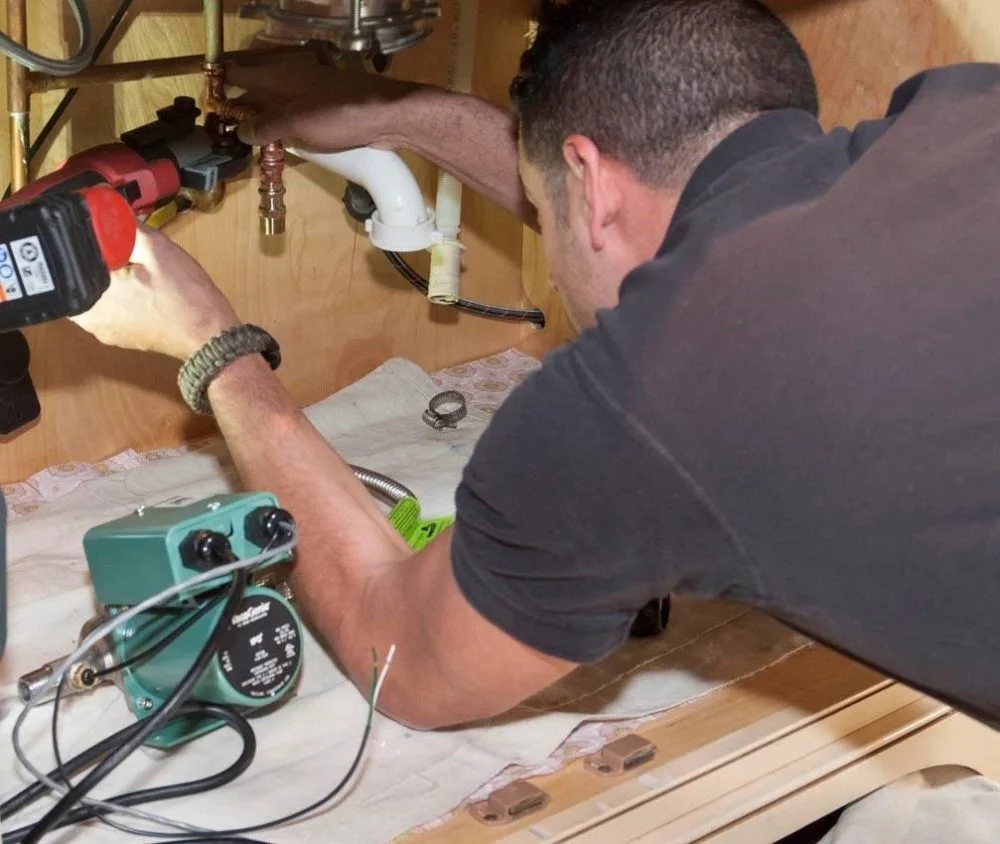
A professional maintenance visit typically covers the tasks above plus a closer look at parts that are harder to check yourself. Depending on your heater, that can include:
- Flushing the tank or descaling a tankless unit
- Inspecting the anode rod and replacing it if needed
- Testing the T&P relief valve
- Checking the thermostat and temperature setting
- Inspecting connections, valves, and the area around the heater for leaks or corrosion
- On gas units, checking the burner, venting, and gas connections
Any work on gas lines, gas valves, or venting should only be done by a licensed professional. If you ever smell gas, leave the house and call your gas utility from outside.
Water Heater Service in Royersford and Beyond
Avanti Plumbing & Drains is a family-owned, licensed and insured company based in Royersford, serving homeowners across Montgomery and Chester County since 2006. We maintain, repair, and install tank and tankless water heaters, including Bradford White, Rinnai, A. O. Smith, and State. See our service areas for the towns we cover.
When to Call a Plumber
Some maintenance is easy to do yourself, but call a plumber if:
- The drain valve or T&P valve is stuck, leaking, or will not reseat
- Water is pooling around the base of the tank
- Your hot water is rusty or runs out faster than it used to
- You have a gas heater and are not comfortable shutting it down safely
- Your heater is getting older and showing signs it may need replacing
Ready to schedule water heater maintenance? Our technicians explain your options before starting and leave your space clean. Call Avanti Plumbing & Drains at (610) 489-2717 or book service online.
Frequently Asked Questions
How often should I flush my water heater?
Most tank water heaters should be flushed about once a year. If your home has hard water, more frequent flushing may help. Always follow the manufacturer’s instructions for your model.
How often should a tankless water heater be descaled?
Many manufacturers recommend descaling a tankless water heater about once a year, and more often in homes with hard water. Check your owner’s manual, since the right schedule depends on your model and water quality.
Does water heater maintenance really make it last longer?
Yes. Flushing out sediment, checking the anode rod, and testing the relief valve reduce wear and catch small problems early. A well-maintained tank water heater is more likely to reach the full 8 to 12 year range, and tankless units can last around 20 years.